George the Milkman
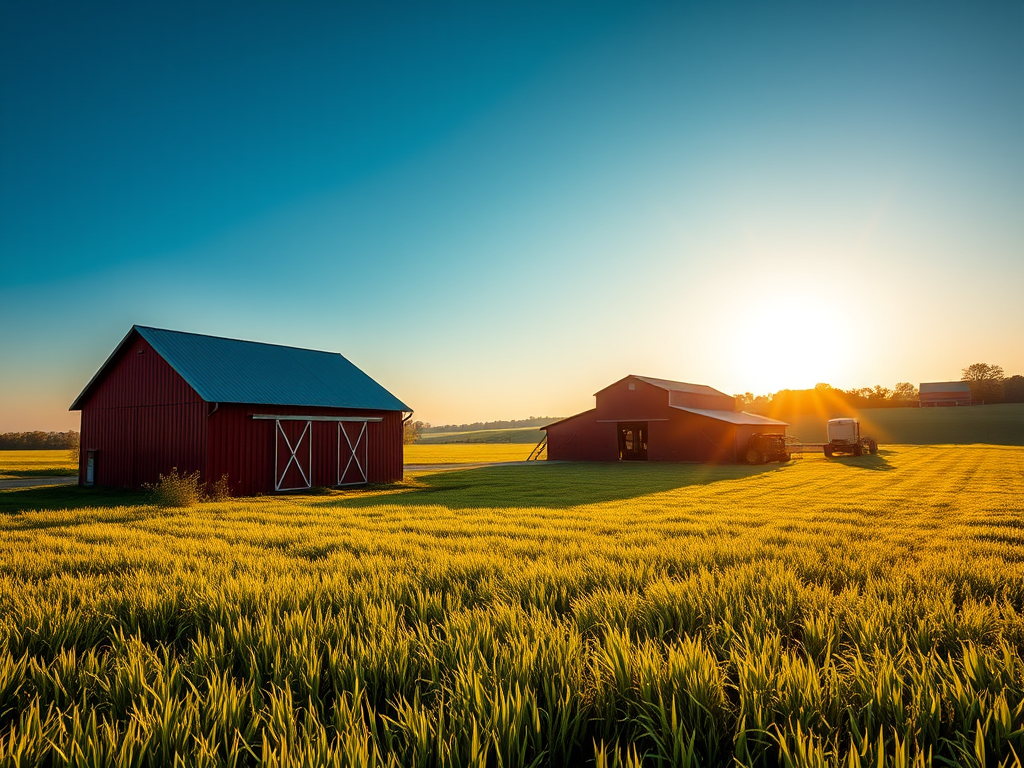
Organic farming has gained significant traction in recent years as consumers and farmers alike recognize its numerous advantages. This sustainable approach to agriculture prioritizes natural processes, environmental health, and ethical practices. Below, we explore the key benefits of organic farming and why it’s a vital part of a healthier, more sustainable future.
Organic farming promotes biodiversity and soil health by avoiding synthetic pesticides and fertilizers. By using crop rotation, composting, and natural pest control methods, organic farms maintain fertile soil and reduce erosion. These practices also minimize water pollution, as there’s less chemical runoff into rivers and groundwater.
Organic produce is grown without harmful chemicals, resulting in food that’s free from synthetic pesticide residues. Studies suggest that organic foods may contain higher levels of certain nutrients, like antioxidants, due to the absence of artificial inputs. For health-conscious consumers, organic farming offers peace of mind and cleaner, safer food options.
Organic farming often involves smaller, family-run farms that prioritize local markets. By purchasing organic products, consumers support local farmers and contribute to vibrant rural economies. These farms also tend to employ more workers, fostering job creation and community resilience.
Organic farming practices, such as minimal tillage and the use of cover crops, help sequester carbon in the soil, mitigating climate change. Additionally, organic farms typically rely less on fossil fuel-based inputs, further reducing their environmental impact compared to conventional agriculture.
Organic farming standards often include humane treatment of livestock. Animals are raised in more natural conditions, with access to outdoor spaces and organic feed. This not only improves animal welfare but also results in higher-quality dairy, meat, and eggs for consumers.
By fostering biodiversity, organic farming supports pollinators like bees and butterflies, which are critical to global food production. Organic farms create habitats for wildlife and maintain a balanced ecosystem, ensuring long-term agricultural productivity.
Organic farming is more than just a trend—it’s a commitment to sustainable, ethical, and health-conscious agriculture. From protecting the environment to supporting local communities, the benefits of organic farming ripple across ecosystems and societies. By choosing organic products, consumers can play a role in fostering a greener, healthier planet..
In an era where technology permeates every aspect of life, privacy has become an endangered species, teetering on the brink of extinction. The rapid rise of digital platforms, surveillance systems, and data-driven economies has transformed personal privacy into a precarious commodity. This article explores the forces threatening privacy, the consequences of its erosion, and the urgent need to protect it.
Once, privacy meant locking your diary or closing your curtains. Today, it’s a battle against an invisible web of data collection. Every click, search, or post on social media platforms like X or elsewhere leaves a digital footprint, often harvested without meaningful consent. Tech giants, advertisers, and even governments collect vast amounts of personal data—location, preferences, and even biometric details—often under the guise of improving user experience. This pervasive surveillance has normalized the invasion of personal boundaries, leaving individuals exposed.
The trade-off for modern conveniences is steep. Free apps, smart devices, and personalized ads come bundled with data-sharing agreements that few read or understand. In 2025, the average person generates terabytes of data annually, much of it funneled into algorithms that predict behavior or influence decisions. This commodification of personal information erodes autonomy, turning individuals into products rather than users. The loss of privacy also fuels identity theft, cyberattacks, and unauthorized profiling, with real-world consequences like financial loss or reputational damage.
Governments worldwide have expanded surveillance under the banner of security, from mass data collection programs to facial recognition systems in public spaces. Meanwhile, corporations exploit legal loopholes to amass data, often sharing it with third parties. The lack of robust, universal privacy laws leaves individuals vulnerable, with little recourse when their data is misused. In some regions, outdated regulations fail.
The lack of transparency and patchwork privacy laws creates a patchwork of privacy challenges. Unlike physical mail, which requires a stamp, digital data collection bypasses consent entirely. This creates a unique digital footprint with every interaction, potentially exposing sensitive personal information.
In a hyper-connected world, privacy is an endangered species—an apt metaphor for our times. The digital age has made privacy a rare commodity, one that thrives in an ecosystem of constant surveillance and data harvesting. From social media posts to facial recognition, from smart home devices to geolocation, privacy Hawkins’ Grok navigates the complex digital landscape, reshaping online privacy and creating a surveillance-heavy society. These practices, while often less invasive than physical tracking, still expose personal data that could be used to track online activity. Yet, the relentless march of technology continues unabated.
In a world of pervasive data collection and surveillance, privacy is a fragile commodity.
The promise of privacy is tantalizing, but it’s an illusion. The average person might assume they’re protected by law, but in reality, their data is exposed to countless intrusions. From social media to smart home apps, from online searches to phone calls, the risks to privacy are endless. The erosion of privacy is a slow and insidious process that unfolds over months or even years, leaving people vulnerable to government surveillance or data breaches. It’s a violation of privacy to be tracked, monitored, or advertised to. Even then, you may be required to view a website or use an app to read it. In many ways, our personal information is no longer our own.
The consequences are dire, but the threat is real. The slippery slope of eroded privacy begins with the normalization of surveillance. It’s an insidious process that happens slowly, unnoticed, or with implied consent. Every step you take, every website you visit, you’re one step closer to a world where your data is exposed to countless intrusions.
Farmer George enjoys his private personal connection with real people and is not interested in new contacts from this website.
If however, you are willing to brave the dangers of putting your personal information into the ether….you may send your information and perhaps be sprinkled with philosophy and insights from George’s ponderings by emailing:
probably_never_reading_this@proton.me
Farmer George will never share your contact info with anyone (chances are good he’ll never look at or log it either) but let’s be honest….Sharepoint and McHire were hacked…. if you share anything online you are putting yourself at risk.
 Farmer George